10 Hours on a Bike, Without Back Pain.
PROBLEM
Lower back pain after long MTB rides
For six years, 52-year-old Andrew M rode in at least three to five mountain bike races every season, mostly in his home state of Colorado. Then his spine started acting up in 2024. The pain would hit after he cooled down from XC long rides—the kind he prefers. A physical therapist told Andrew he had an “aging” spine, as he recalls. A doctor injected the trouble spots with cortisone, but the pain persisted.
After signing up for the Point 2 Point, Park City’s infamous MTB race covering 75 miles and 10,000 feet of elevation gain, Andrew noticed a 100 Year Athlete ad on the P2P website. Still in pain, he decided to give it a shot. What did he have to lose?
SOLUTION
Mobility and strength for long days in the saddle
100YA Coach Brian Allison started Andrew off with a virtual mobility assessment, which found that his hips and lower spine had limited range of motion. This probably contributed to Andrew’s back pain.
Brian built a program that included daily mobility work with two strength sessions per week, split into push and pull days. It left plenty of time (and energy in the tank) for Andrew to complete three to four training rides weekly.
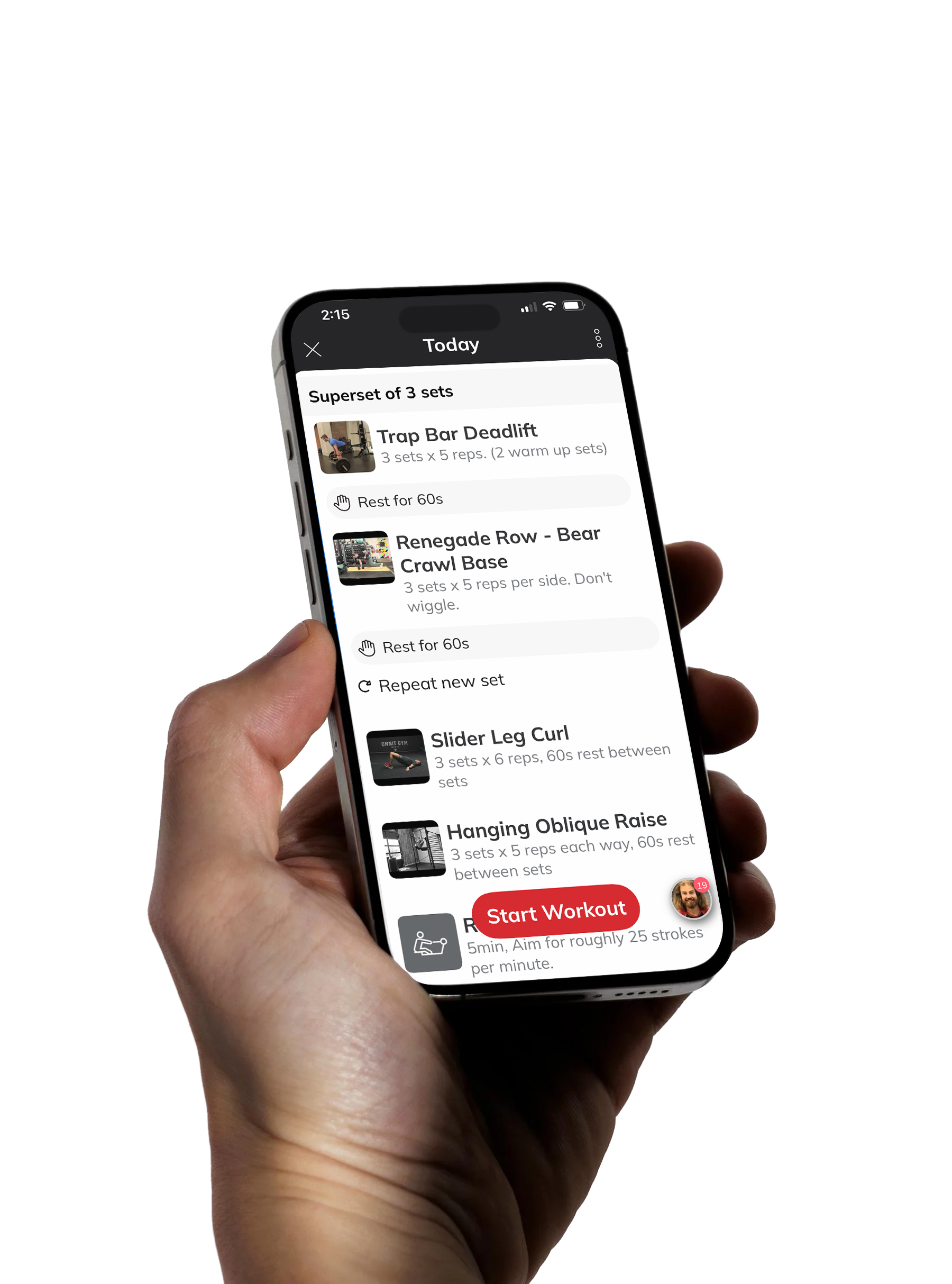
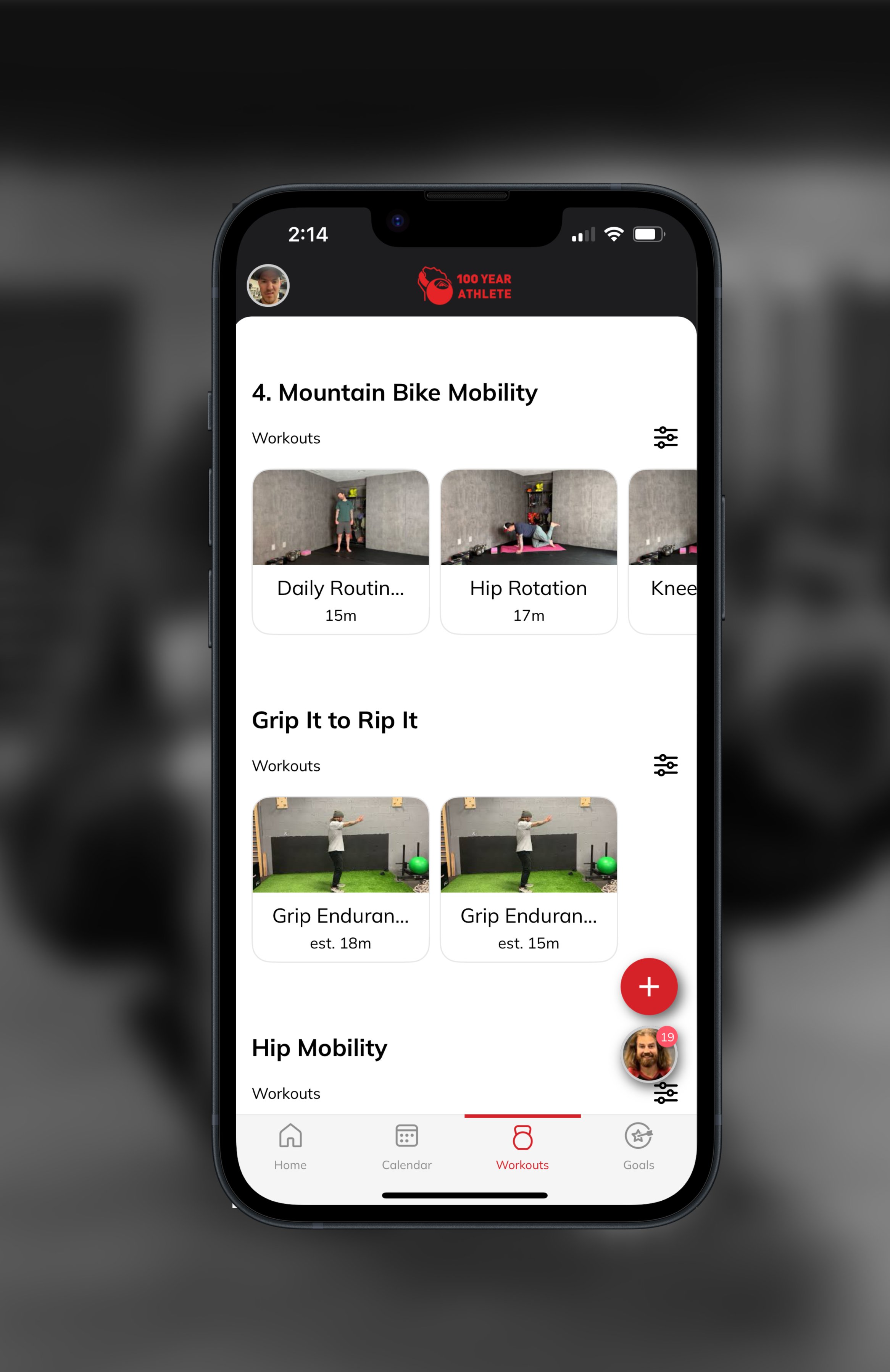
Andrew found that he could easily follow workouts on the 100 Year Athlete mobile app. “The videos are really helpful,” he says. “They're essential, I would say. You can't just read about how to do an exercise. I need to have that visual.”
Mobility training made the difference for Andrew. He learned to perform movements like segmented cat-cow under tension, which changes the training response. He soon found that he could change his spine position throughout bike rides to prevent one area from stiffening or taking too much abuse. For races that can last six to ten hours, that’s extremely useful.
RESULTS
1000s of riding and racing miles—and no pain
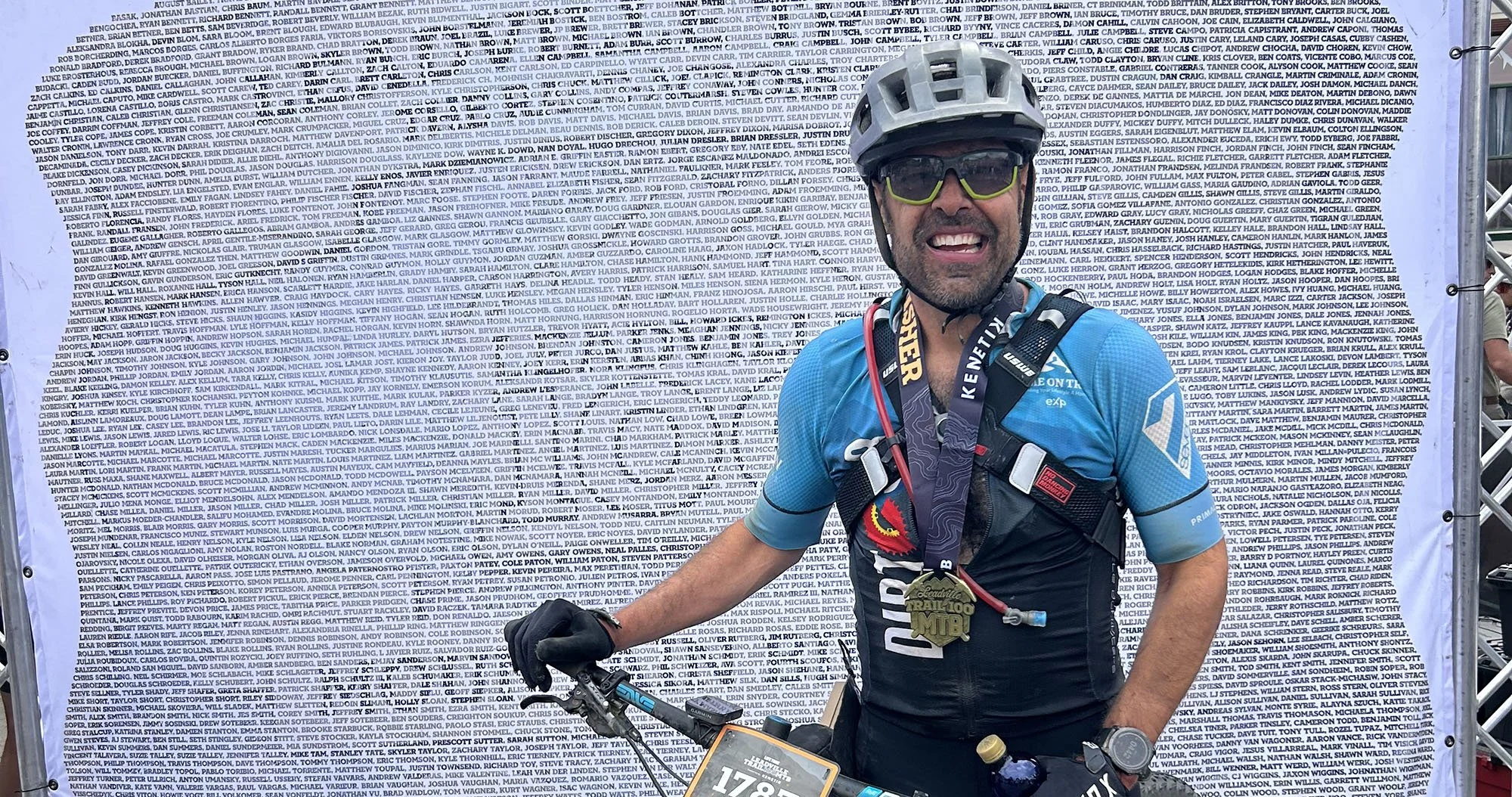
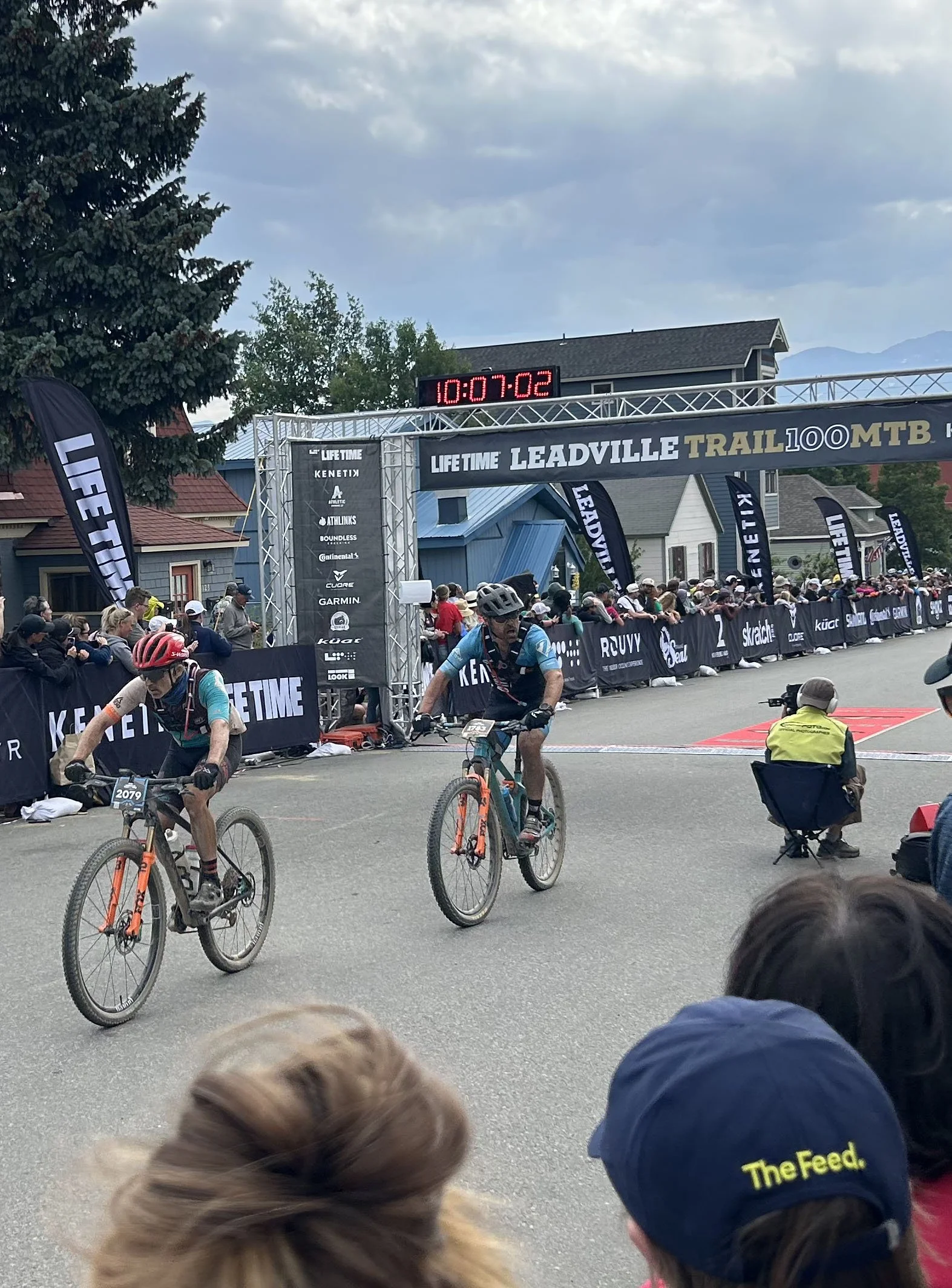
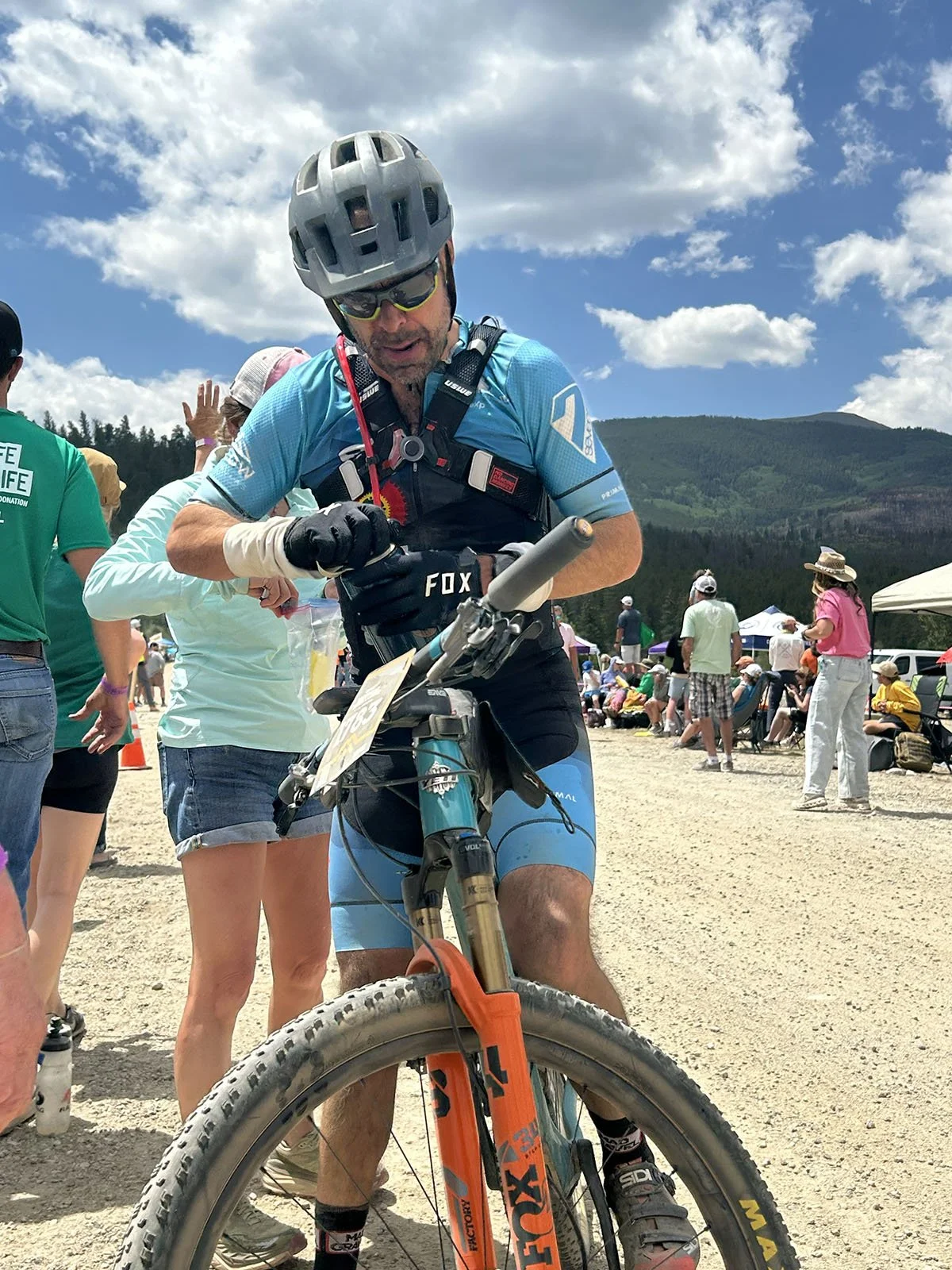
Two months after starting his 100YA program, Andrew noticed that he felt barely any pain after longer rides. He raced the Winter Park Point-to-Point race in June (21 miles), followed by Breckenridge’s Firecracker 50 and Leadville’s Silver Rush 50 in July. By Leadville, there was no trace of back pain. He crushed the Leadville 100 in August, again without issues after 10 hours on the bike. By the time Andrew tackled Park City’s P2P in late August, his back pain was gone.
In 2026, Andrew plans to continue with MTB racing—and add ski mountaineering (SkiMo) races to his repertoire.
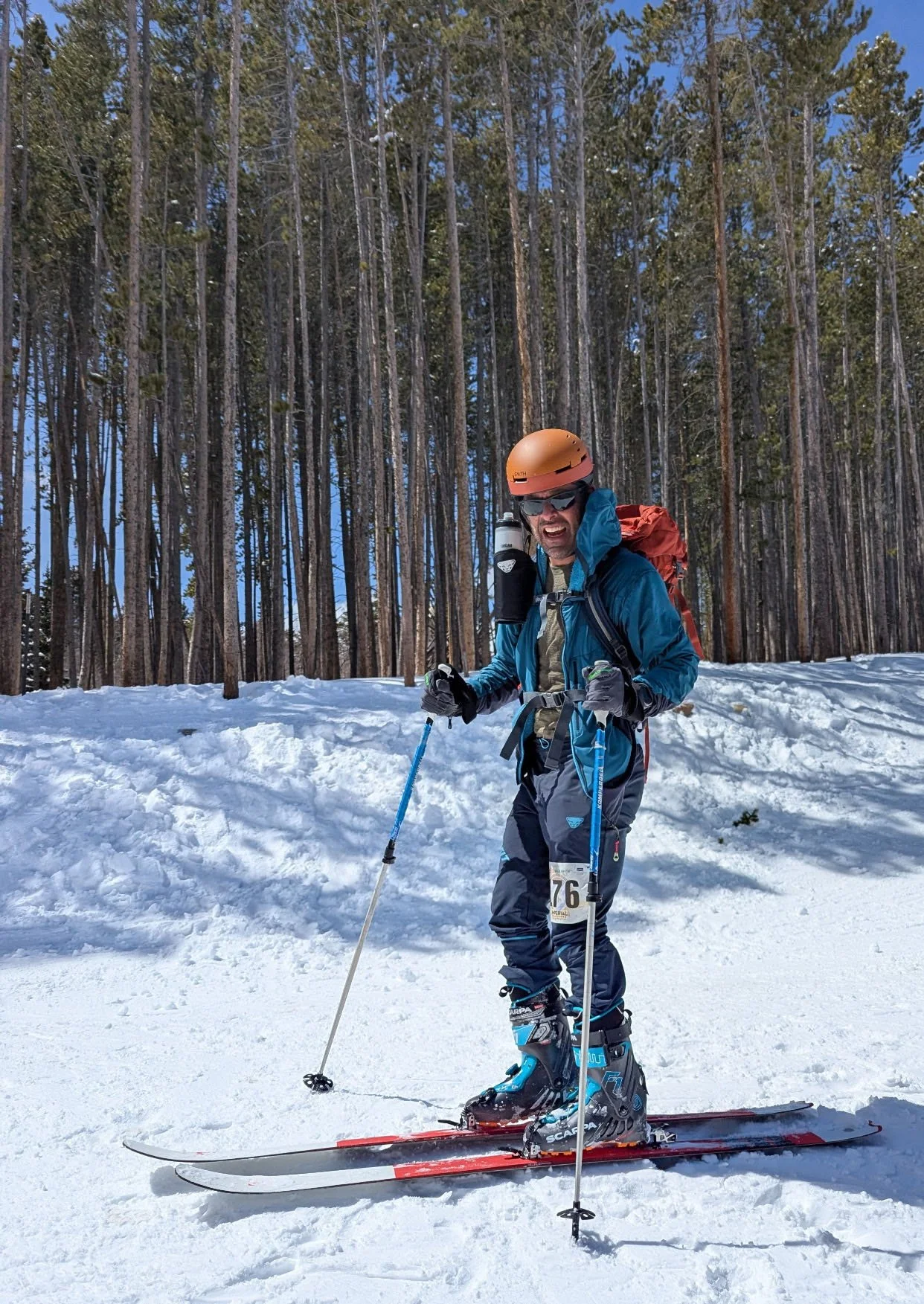
Andrew now trains independently, using his 100YA programs to keep his back happy. “I'm going to keep doing the core stuff,” Andrew says.
“I'm not a gym rat. I'd much rather go out and pedal on my bike, but I need to be mindful of mobility and strength. I'm not 22 years old.”